Is Dry Firing a Pistol Bad?
Dry firing a modern pistol isn’t bad if you follow the manufacturer’s guidelines and take proper precautions.
Dry firing practice, when done correctly, can be a valuable training tool to improve your shooting skills.
You’ll want to make sure your firearm is unloaded and use dummy rounds or snap caps to protect internal parts.
This helps prevent damage to the firing pin and keeps your pistol in good shape.
Practicing this way can improve your trigger control and accuracy safely.
Keep going to understand the risks and how to avoid them effectively.
Key Takeaways
- Dry firing modern pistols is generally safe when following manufacturer guidelines.
- Using dummy rounds or snap caps protects the firing pin and internal parts during dry fire practice.
- Older pistols may be more prone to damage from dry firing without proper precautions.
- Regular maintenance and inspection help minimize wear caused by dry firing.
- Dry firing improves trigger control and shooting skills with minimal risk if done correctly.
Is Dry Firing a Modern Pistol Safe?
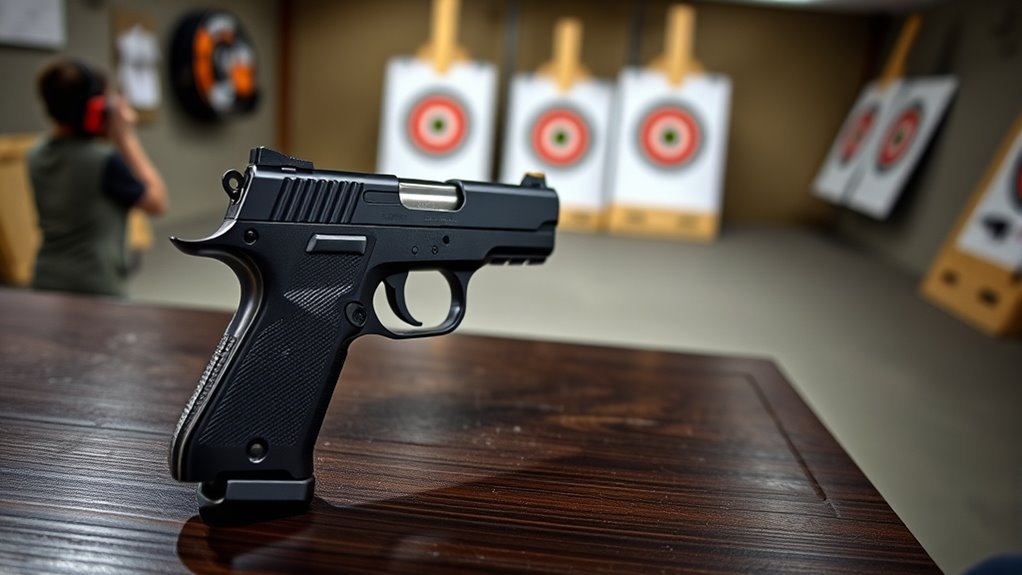
While some shooters worry about damaging their firearms, dry firing a modern pistol is generally safe if you follow the manufacturer’s guidelines. Most modern pistols are built to handle thousands of dry fire cycles without causing damage, thanks to improved materials and construction.
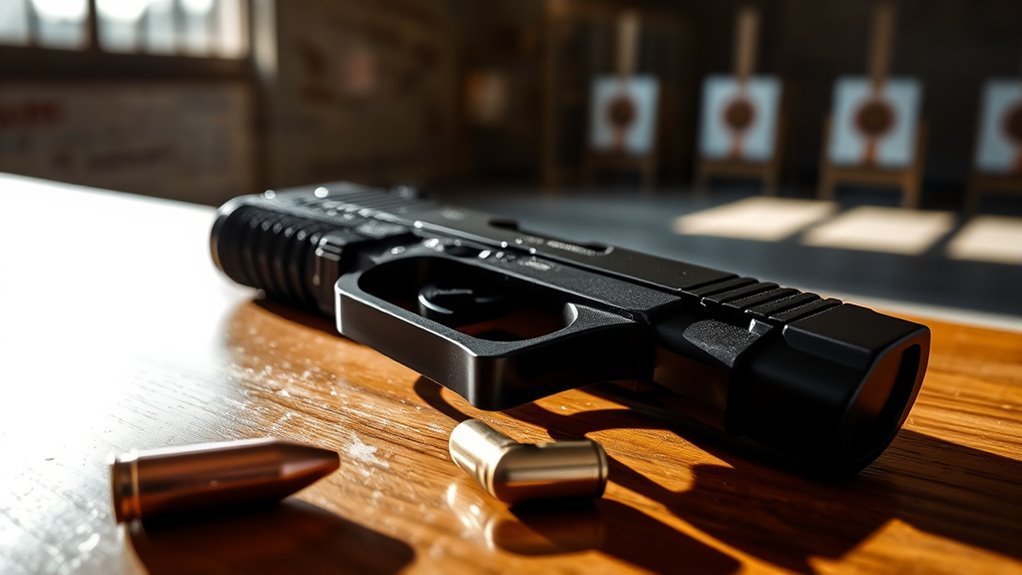
You can further protect your firing pin and internal parts by using dummy rounds or snap caps during dry fire practice. This method allows you to focus on improving your trigger pull, enhancing accuracy and overall shooting skills without live ammunition.
Just make sure to check your firearm’s user manual, especially with older models, as some may have components that could be harmed by dry firing. When done correctly, dry fire training is a safe, effective way to boost your shooting proficiency.
Dry Firing Risks and How to Avoid Them
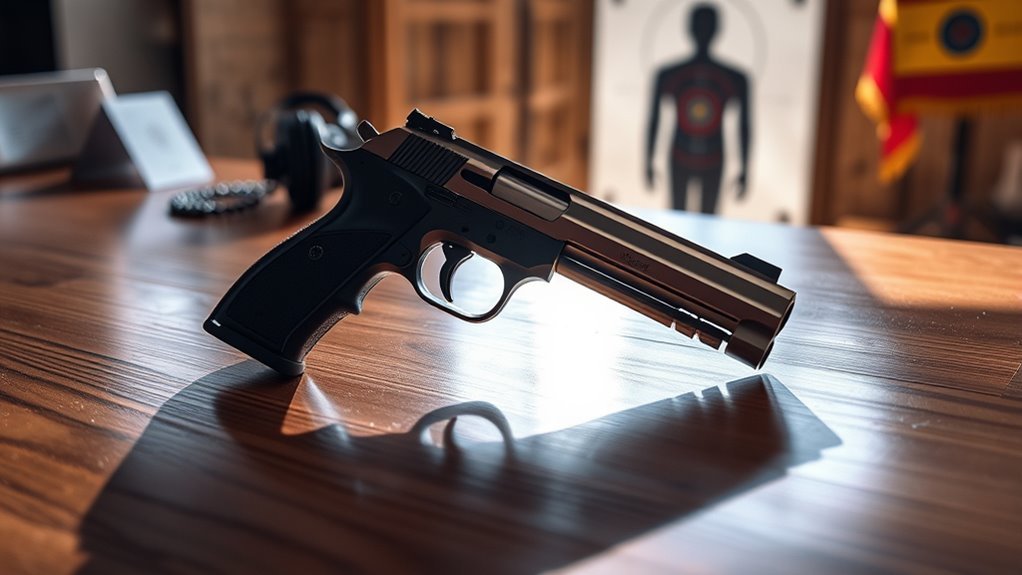
Although dry firing a modern pistol is generally safe, you should be aware of the risks involved and take steps to minimize them. Dry firing risks mainly include damage to the firing pin and potential malfunctions caused by repeated firing pin impact on an empty chamber.
To protect your firearm, always follow firearm safety guidelines: confirm the gun is unloaded, pointed in a safe direction, and use dummy rounds or snap caps during practice. These accessories cushion the firing pin impact, preventing damage and aiding in preventing malfunctions.
Regular firearm maintenance also helps identify wear caused by dry firing. By taking these gun owner precautions and committing to safe dry fire practice, you can effectively reduce risks while improving your skills without harming your pistol.
Frequently Asked Questions
Is It Okay to Dry Fire My Glock?
Yes, you can dry fire your Glock safely. Just make sure it’s unloaded, follow safety rules, and consider using snap caps to protect the firing pin.
Dry firing actually helps improve your trigger control and accuracy.
Why Should You Never Dry Fire a Gun?
You should never dry fire a gun without snap caps because it can damage the firing pin and breech, causing dents or misfires.
Protect your firearm by checking the manufacturer’s guidelines before dry firing.
How Often Should You Dry Fire Your Gun?
You should dry fire your gun a few times a week, limiting sessions to 15-20 minutes. Use snap caps to protect your firing pin, and regularly inspect your pistol to avoid excessive wear or damage.
This routine helps maintain your shooting skills without compromising the firearm’s integrity. Always ensure your gun is unloaded before starting any dry fire practice.
What Guns Should Not Be Dry Fired?
Wondering which guns you shouldn’t dry fire? You shouldn’t dry fire rimfire pistols like .22 LR or older models with fragile firing pins.
Always check your pistol’s manual to avoid damaging sensitive or impact-prone components.
Conclusion
Dry firing a modern pistol isn’t inherently bad if you do it right. Studies show that over 80% of shooters improve their accuracy with regular dry fire practice. Just make sure your gun is unloaded and follow safety steps to avoid damage or accidents.
By practicing safely, you’ll build muscle memory and confidence without wasting ammo. So, take the time to dry fire carefully—it’s a smart, effective way to sharpen your skills. Incorporating dry firing into your routine can significantly enhance your pistol handling and shooting precision.