What Is a Thumb Safety on a Pistol?
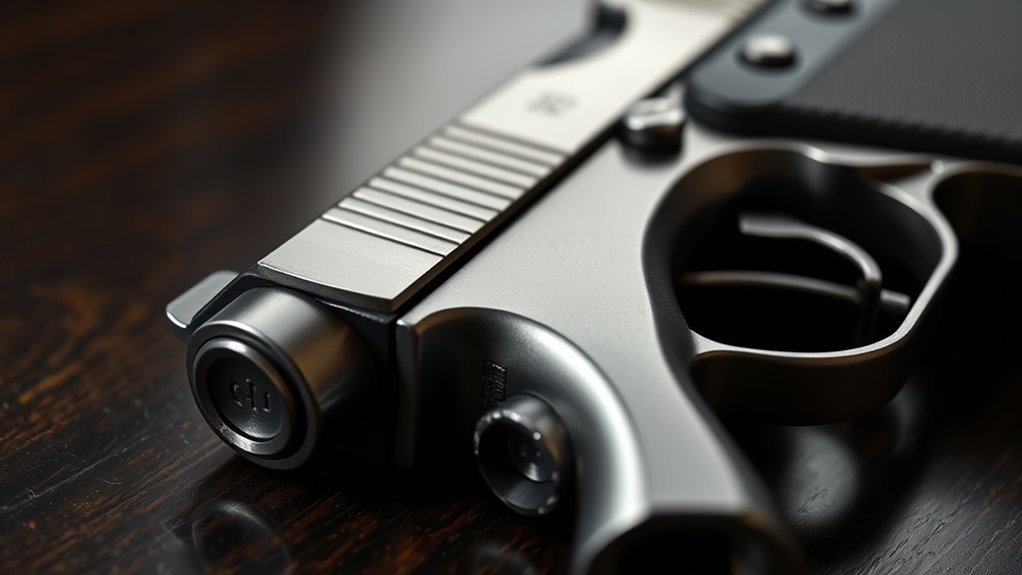
A thumb safety on a pistol is a manual lever you operate with your thumb to block or allow the gun to fire. This essential safety feature is usually located on the frame or slide for quick access. It requires a deliberate motion to engage or disengage.
By providing direct control over shooting, a thumb safety helps prevent accidental discharge and enhances firearm safety.
While it adds an important layer of security, it may also affect your response time. Understanding the benefits and potential drawbacks of a thumb safety can help you decide if this feature is right for your shooting needs.
Keep reading to learn more about how a thumb safety works and its impact on pistol handling.
Key Takeaways
- A thumb safety is a manual lever operated by the thumb to block or allow the pistol to fire.
- It is located on the frame or slide for quick and easy access during handling.
- Engaging the safety requires a deliberate thumb motion to prevent accidental discharge.
- Commonly found on pistols like the 1911, it enhances safety by controlling firing capability.
- Using a thumb safety adds safety but may slow firing response and requires consistent training.
What Is a Manual Thumb Safety and How Does It Work?
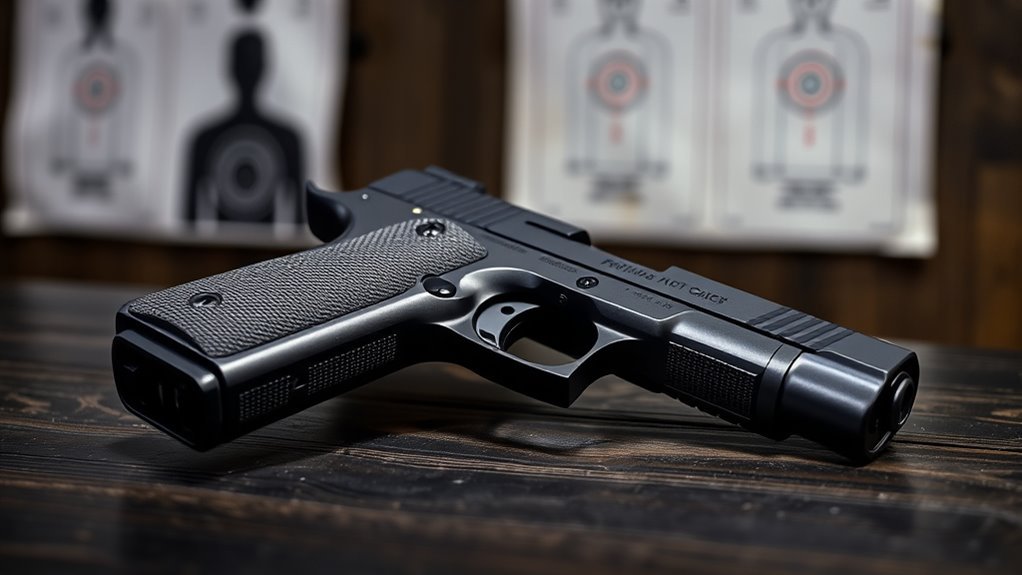
A manual thumb safety is a lever or button on a pistol that you operate with your thumb to prevent or allow firing. This thumb safety mechanism is a key gun safety feature designed to prevent accidental discharge by blocking the trigger or firing mechanism when engaged.
Located on the frame or slide, the safety lever allows quick access for manual safety operation. To fire, you must disengage the safety by flipping or pushing it off with a smooth thumb motion. Unlike trigger safety systems, the manual thumb safety requires deliberate action, so proper firearm safety training is essential.
Commonly found on classic pistols like the 1911, this safety on a pistol gives you direct control over whether the gun can fire, enhancing overall safety when used correctly.
Should You Carry With a Manual Thumb Safety? Pros and Cons Explained
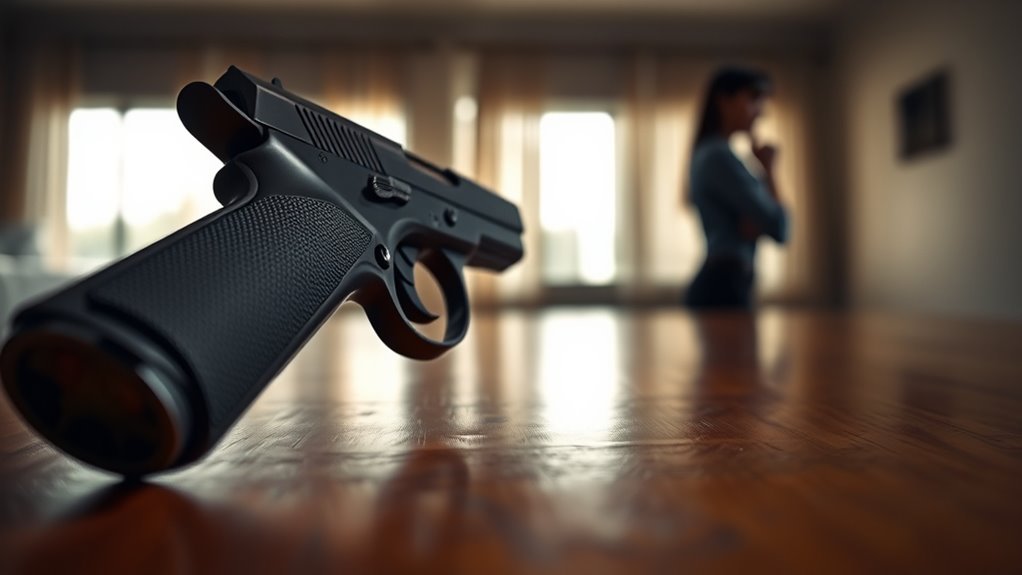
Choosing whether to carry a pistol with the manual thumb safety engaged depends on your comfort level and how you train with the firearm. Using a manual safety adds an extra layer of firearm safety, preventing accidental discharges during handling or transport.
However, carrying safety with the thumb safety on can slow your quick draw and firing response, which might be critical in self-defense situations. You’ll need consistent training to affirm smooth safety engagement and disengagement under stress.
Some shooters gain peace of mind carrying with the thumb safety, while others prefer relying on trigger safety alone for faster access. Ultimately, deciding to carry with a manual safety hinges on your personal preference, confidence, and how effectively you integrate safety engagement into your training routine.
Frequently Asked Questions
Can a Thumb Safety Be Added to Any Pistol Model?
You can’t add a thumb safety to every pistol model because it depends on the gun’s design and manufacturer specifications. Some pistols aren’t built for it, so you’ll need to check compatibility before attempting any modifications.
How Do Thumb Safeties Differ Between Pistol Brands?
About 70% of pistols feature thumb safeties that differ in size, placement, and operation. You’ll notice some brands offer ambidextrous safeties, while others design them for right-handed users only, affecting your grip and ease of use.
Does a Thumb Safety Affect a Pistol’s Trigger Pull Weight?
No, a thumb safety doesn’t affect your pistol’s trigger pull weight directly. It’s a separate mechanism that blocks the firing pin or trigger, so you’ll feel the same pull whether the safety’s engaged or not.
Are Thumb Safeties Reliable in Extreme Weather Conditions?
Yes, thumb safeties can be reliable in extreme weather if properly maintained.
You’ll want to keep them clean and lubricated to prevent freezing or malfunction, ensuring they operate smoothly despite cold, heat, or moisture.
Can Thumb Safeties Wear Out or Fail Over Time?
Yes, thumb safeties can wear out or fail over time due to dirt, corrosion, or mechanical stress.
You should regularly clean and inspect yours to guarantee it functions properly and replace it if you notice any issues.
Conclusion
Now that you know how a manual thumb safety works, you might wonder if it’s really necessary. The truth is, whether you carry with it engaged depends on your comfort and training. Some believe it adds an essential layer of security, while others say it could slow you down in a critical moment.
Ultimately, you’re the one who decides—just make sure you practice enough to trust your choice when it counts. Consistent practice with your thumb safety will help you build confidence and ensure safe handling. Remember, proper training is key to making the most of your pistol’s safety features.