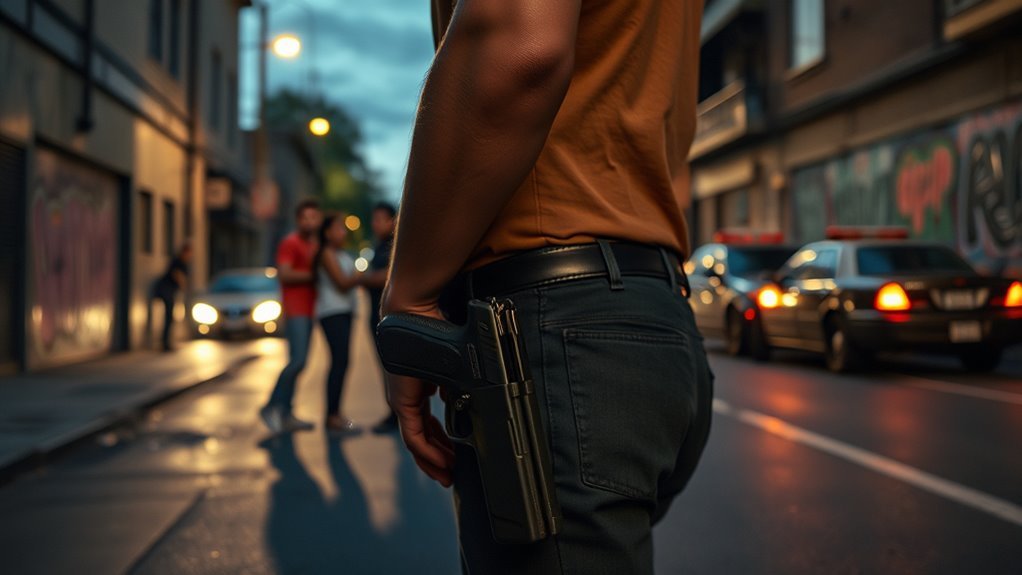
Do Guns Make Us Safer and How to Assess Personal Safety
Guns don’t always make you safer—they often increase risks like injury or escalating violence. When considering personal safety, it’s important to evaluate the true impact of firearms.
Instead, focus on smart personal safety choices that prioritize long-term security.
Use non-lethal tools, improve home security with lighting and cameras, and engage in community programs to prevent crime.
These strategies reduce danger without the risks that come with firearms.
By understanding these safer, effective alternatives, you’ll gain insight into protecting yourself and your loved ones more confidently.
Key Takeaways
- Guns rarely guarantee safety and often increase risks of injury and violence escalation in self-defense situations.
- Gun ownership can lead to avoidable violence and does not necessarily prevent crime.
- Non-lethal tools like pepper spray and security systems effectively enhance personal safety without firearm risks.
- Community programs and environmental strategies, such as better lighting and neighborhood watches, improve overall safety.
- Assessing personal safety involves prioritizing non-violent, evidence-based methods over reliance on firearms.
Why Guns Don’t Always Improve Self-Defense Safety
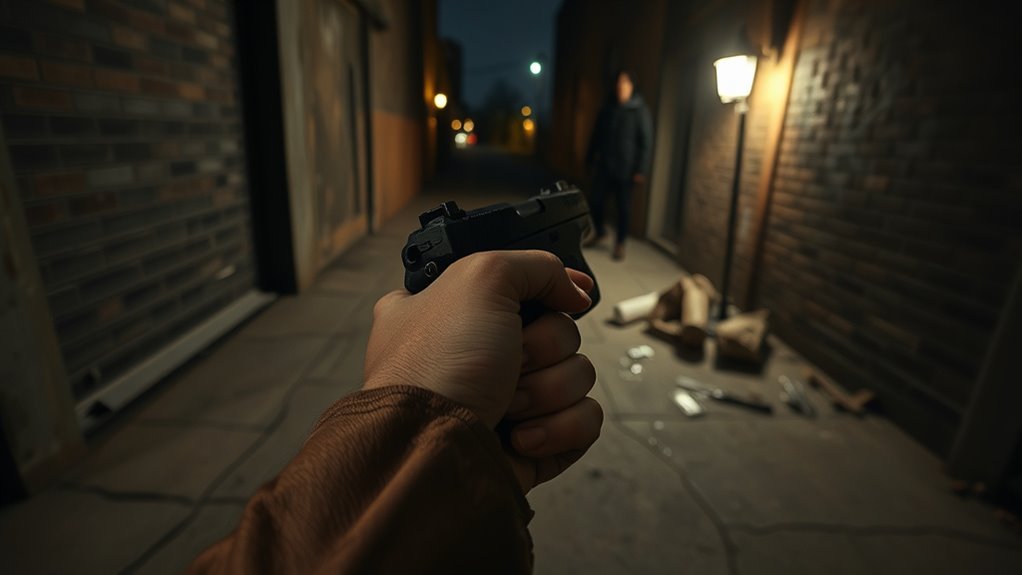
Although many believe guns provide reliable self-defense, the reality is more complicated. Defensive gun use is often overestimated, with survey data showing fewer than 3% of claims are valid—roughly 1,600 incidents annually. When guns are involved, the injury risk and escalation of violence frequently increase, making self-defense less effective.
Rather than preventing crime, gun ownership sometimes leads to unnecessary gun violence and conflicts that could have been avoided. You should consider how gun laws and proper gun safety training impact these outcomes, as misuse or impulsive actions can worsen situations. Ultimately, evidence suggests guns rarely guarantee safety, and you might face greater harm trying to defend yourself with a firearm than without one.
Being aware of these risks is essential for any crime prevention strategy.
Better Ways to Stay Safe Without Owning a Gun

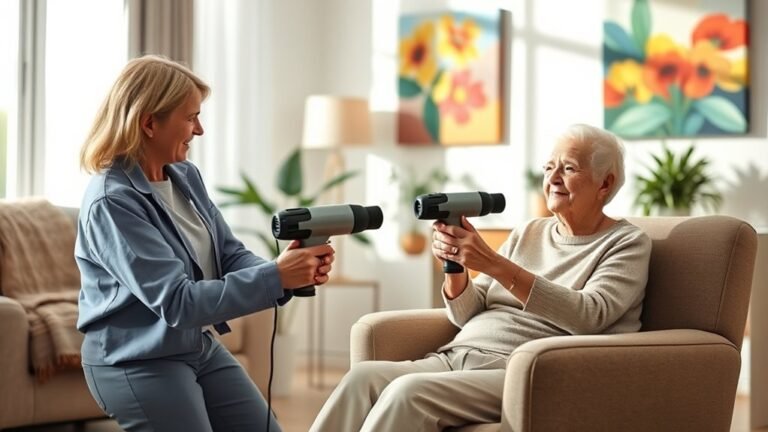
While guns may seem like a straightforward solution for self-defense, they often bring more risks than protection. You can enhance your personal safety with alternative safety measures like non-lethal tools such as pepper spray or personal alarms, which reduce injury risks. Installing security systems, surveillance cameras, and improving home lighting lowers break-in chances without firearms.
Engaging in community programs that emphasize conflict resolution, neighborhood watch, and violence prevention helps build safer environments. Simple habits like walking in well-lit areas and avoiding risky situations support crime reduction. These strategies work together to protect you more effectively than relying on guns.
Frequently Asked Questions
How Does Community Policing Influence Neighborhood Safety?
Community policing builds trust between you and local officers, making you feel safer. It encourages cooperation, reduces crime through proactive efforts, and helps you address concerns quickly.
This creates a stronger, more connected neighborhood environment.
What Role Does Mental Health Play in Gun Violence?
Mental health plays a vital role in gun violence because untreated conditions can increase risks. You should focus on support and intervention, helping those struggling before situations escalate into violence or self-harm.
Are There Statistics on Accidental Gun Injuries in Homes?
Imagine a silent trap in your home—yes, accidental gun injuries happen. Statistics show thousands yearly, often involving children or teens.
You’ve got to secure firearms tightly to prevent heartbreaking, preventable accidents in your own space.
How Do Gun Laws Vary Across Different States or Countries?
Gun laws vary widely—you’ll find some states or countries with strict background checks and bans, while others have looser rules or open carry.
It’s important you check local laws before owning or carrying a firearm.
What Training Is Recommended for Responsible Gun Ownership?
You should complete basic firearm safety courses, practice regular shooting drills, and learn proper storage techniques.
Consider advanced training like self-defense and legal education to handle guns responsibly and confidently in various situations.
Conclusion
Think of owning a gun like carrying an umbrella in a storm—it might help, but it won’t stop the storm itself. Studies show that having a gun at home can actually increase the risk of accidents and injuries.
Instead, focus on awareness, de-escalation, and safe habits to protect yourself. By sharpening your instincts and avoiding danger, you’ll build a safer life without relying solely on a weapon.
Your safety is in your hands, not just your holster. Prioritizing personal safety means understanding risks, practicing prevention, and making informed choices to truly feel secure.