Are Old Guns Safe to Shoot?
You can safely shoot old guns only after you thoroughly inspect them for cracks, rust, and mechanical issues, especially around the barrel and action. Always check for signs of wear, perform obstruction checks, and verify proof marks. These steps are essential to ensure the firearm’s integrity and safety.
Use only the correct, modern ammunition matching the gun’s specifications and avoid high-velocity rounds unless cleared by a professional.
Having a qualified gunsmith evaluate the firearm guarantees your safety and helps identify potential risks.
Keep going to understand how to properly inspect and choose safe ammo for vintage pieces. Following these guidelines will help you enjoy shooting old guns while minimizing hazards.
Key Takeaways
- Always visually inspect old guns for cracks, rust, and mechanical wear before attempting to shoot.
- Test the firearm’s action and internal components for smooth operation and absence of damage.
- Have a qualified gunsmith professionally evaluate the gun to ensure it is safe to fire.
- Use only ammunition that matches the firearm’s specifications and avoid high-velocity rounds unless approved.
- Proper inspection and expert advice prevent accidents, damage, and ensure safe shooting of vintage firearms.
How to Check an Old Shotgun for Safety Before Shooting
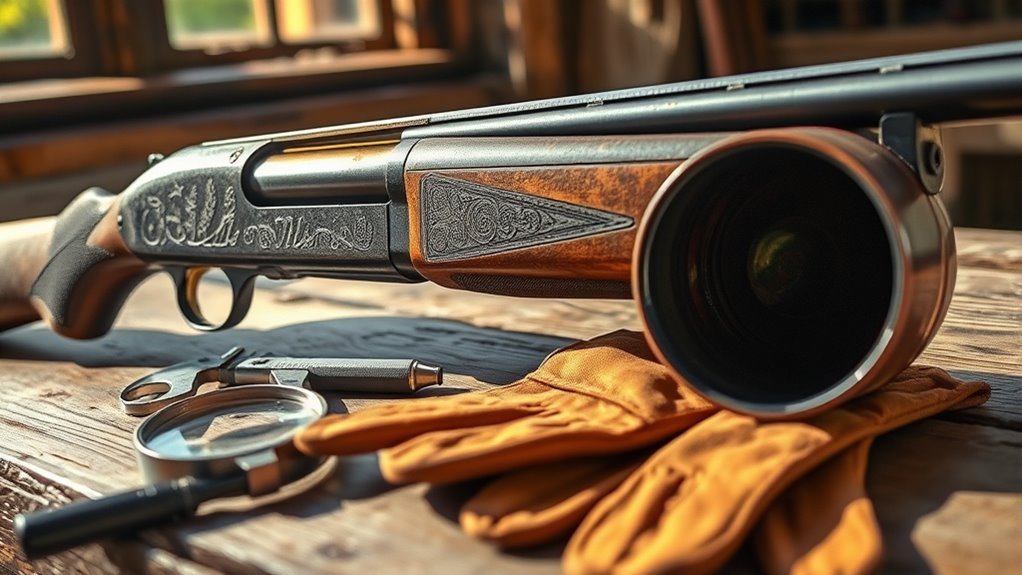
Before you fire an old shotgun, you need to carefully inspect it for any signs of damage like cracks, rust, or dents, especially around the barrel and chamber. Start by looking for rust and corrosion on the metal surfaces and check proof marks and metal markings to confirm the firearm condition and its suitability for modern use.
Perform an obstruction check to verify the barrel and chamber are clear. Test the action to verify it opens and closes smoothly. If possible, remove the firing pin or trigger assembly to inspect for wear or damage.
However, for thorough safety inspection and to guarantee firearm safety, you should always have a qualified gunsmith examine the shotgun before shooting it. This step helps prevent accidents and keeps you safe.
Choosing Safe Ammunition for Your Vintage Firearm
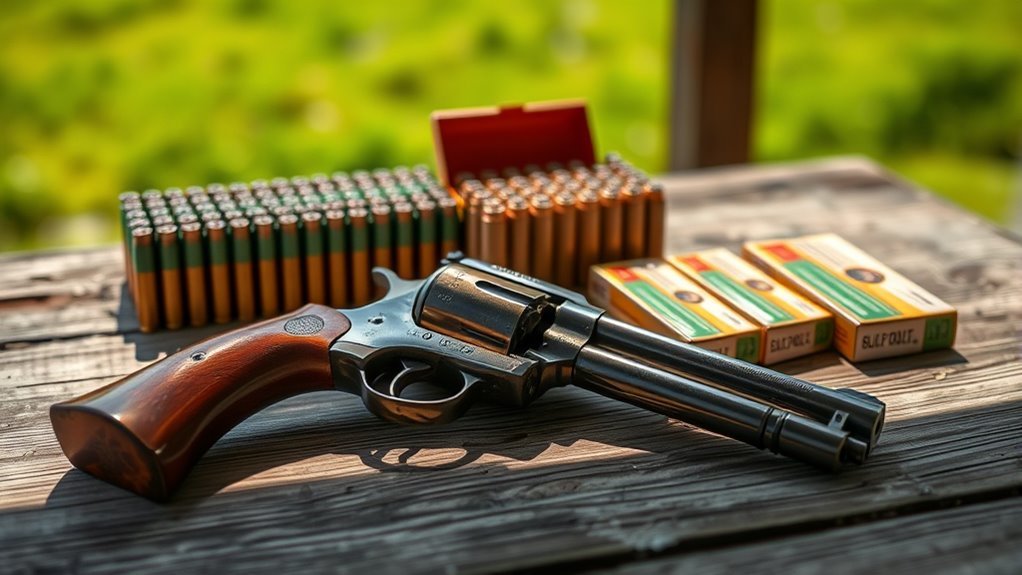
When selecting ammunition for your vintage firearm, you must match the cartridge size and specifications exactly to avoid dangerous pressure levels. Always check the chamber size and never assume modern rounds will fit safely. Inspect old shells closely for corrosion or damage, and disassemble them if needed to evaluate their condition.
Using safe ammunition means choosing modern factory-loaded cartridges with appropriate powder and loads suited for your gun’s age and design. Avoid high-velocity or full-power rounds unless a firearms expert has inspected your vintage firearm and confirmed it can handle such loads.
Consulting a knowledgeable gunsmith ensures you maintain proper firearm safety and avoid risking damage or injury. Careful selection and expert advice guarantee you keep your vintage firearm safe to shoot.
Frequently Asked Questions
How Does Black Powder Differ From Modern Smokeless Powder?
Black powder burns slower and produces more smoke than modern smokeless powder, which burns cleaner and faster. You’ll notice black powder leaves more residue, requiring frequent cleaning, while smokeless powder offers higher pressure and better performance.
What Are Common Signs of Metal Fatigue in Antique Firearms?
You’ll notice metal fatigue in antique firearms through cracks, discoloration, pitting, or unusual wear around the barrel and frame.
Pay close attention to loose parts or bulges, as these signs mean the gun might be unsafe to shoot.
Can Old Guns Be Reliably Restored to Like-New Condition?
Can old guns be reliably restored? Absolutely—but it’s a delicate dance. You’ll need expert craftsmanship and quality parts to bring them back to life.
Still, don’t expect every piece to shine like brand new again.
Are There Legal Restrictions on Owning or Shooting Antique Firearms?
Yes, you’ll face legal restrictions on owning or shooting antique firearms depending on your location. Check local, state, and federal laws carefully, as some antiques may be exempt while others require permits or have usage limits.
How Often Should Vintage Guns Be Inspected by a Gunsmith?
You should have your vintage gun inspected by a gunsmith at least once a year.
Conclusion
Before you take that old shotgun out for a spin, give it a careful once-over—think of it as a friendly health check. Make sure everything’s in tip-top shape and choose ammo that’s gentle on its vintage frame.
By treating your classic firearm with a bit of extra kindness, you’re not just preserving history—you’re making sure every shot is a safe and enjoyable experience.
After all, a little caution goes a long way in keeping the fun going. Ensuring your old guns are well-maintained and using appropriate ammunition is key to their safety and longevity.