Are Gun-Free Zones Safer and How to Assess Safety
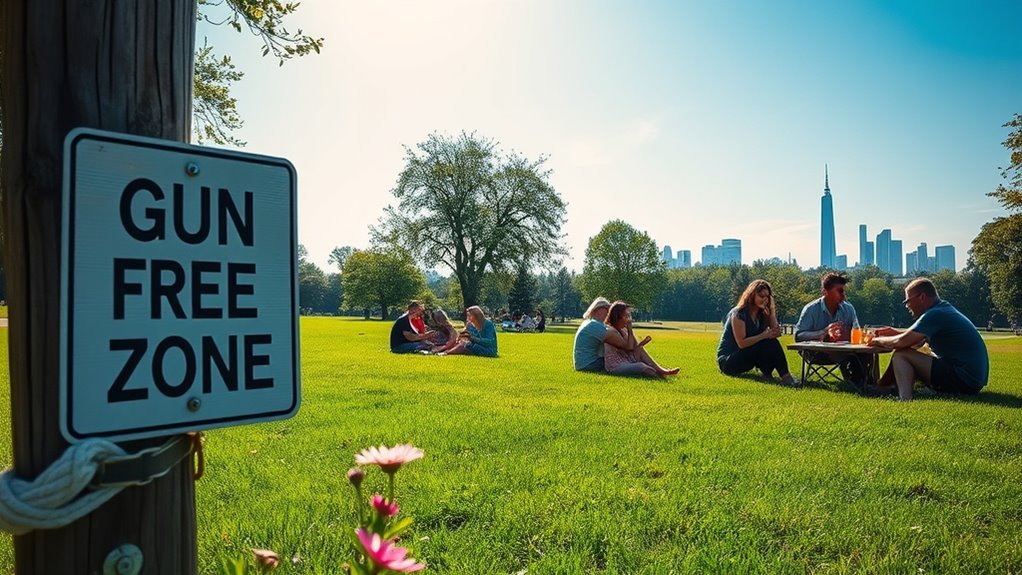
You can’t rely on gun-free zones alone to guarantee safety since evidence shows they don’t consistently reduce violence or prevent mass shootings.
Gun-free zones and safety measures are often linked, but the relationship is complex and not always straightforward.
While many incidents happen in these zones, the data is mixed and complicated by varying definitions.
To truly assess safety, you need to take into account extra security measures like metal detectors, surveillance, and controlled access.
These additional strategies can play a crucial role in enhancing protection.
If you want a clearer picture of what makes a space safer, it helps to explore the extra steps that support gun-free zones.
Key Takeaways
- Gun-free zones alone do not conclusively increase or decrease overall violence or mass shooting risk.
- Most mass shootings occur in gun-free zones, but definitions and enforcement inconsistencies affect data interpretation.
- Gun-free zones require supplementary security measures for effective safety enhancement.
- Effective safety assessment includes evaluating access control, surveillance, fencing, and emergency response protocols.
- Regular security audits and implementation of technology improve threat detection and incident response in gun-free zones.
What Does the Evidence Say About Gun-Free Zones?
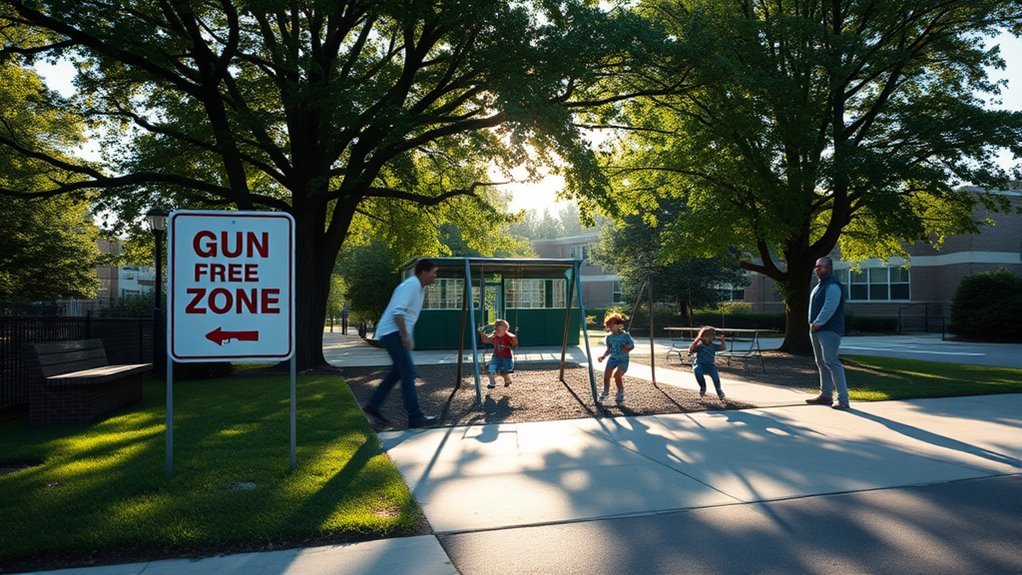
Although debates around gun-free zones can be heated, the evidence doesn’t clearly show they increase or decrease overall violence. When you look at research, gun-free zones don’t seem to act as soft targets for criminals. In fact, some studies show active shootings drop by up to 62.5% in these areas, especially near schools.
However, most mass shootings—up to 97.8%—occur in gun-free zones, though this varies based on how mass shootings are defined. Law enforcement and public safety officials rely on crime prevention strategies that include gun laws and firearm violence data, but inconsistent definitions and enforcement make it tough to draw firm conclusions.
Which Security Measures Actually Improve Safety Beyond Gun-Free Zones?
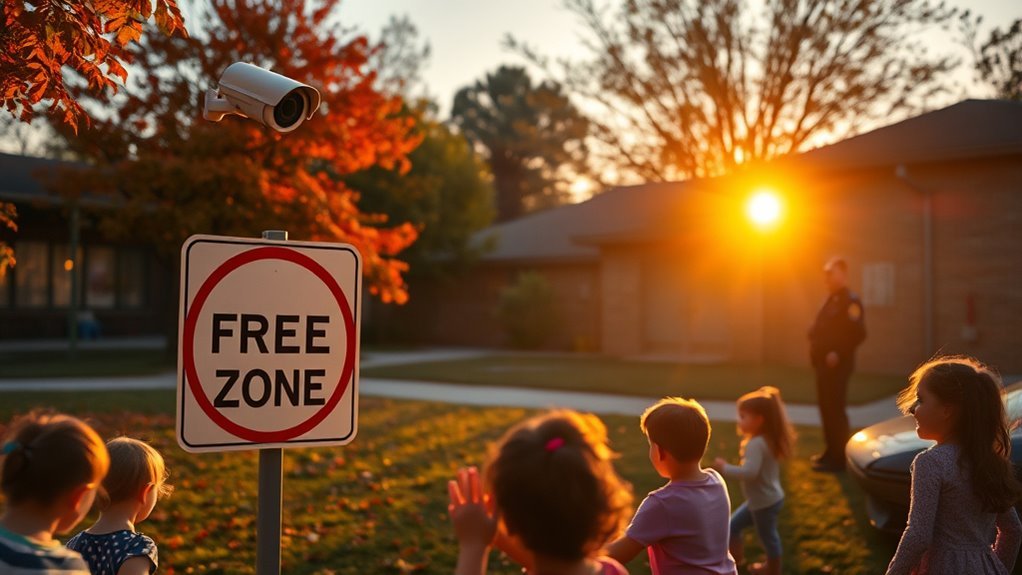
Gun-free zones alone don’t guarantee safety, so you need to take into account other security measures that can make a real difference. Implementing metal detectors and access control limits firearms entering sensitive areas. Surveillance technology aids rapid response by detecting weapons early.
Perimeter fencing reduces vulnerabilities by restricting unauthorized access. Regular security audits and threat assessments help you identify weaknesses, while emergency protocols ensure swift, effective incident management.
| Security Measure | Safety Benefit |
|---|---|
| Metal Detectors | Prevent firearms entry |
| Surveillance Technology | Early firearm detection |
| Perimeter Fencing | Control access, reduce hiding |
| Emergency Protocols | Enable rapid, organized response |
Frequently Asked Questions
How Do Gun-Free Zones Affect Law Enforcement Response Times?
Gun-free zones can sometimes delay your law enforcement response because officers might hesitate or proceed cautiously, knowing threats may involve armed individuals.
However, response times mainly depend on location and resources, not just gun-free policies.
What Psychological Impact Do Gun-Free Zones Have on Visitors?
You’ll feel 60% more anxious in gun-free zones because they can create a false sense of security. This tension might make you hyper-aware, affecting your comfort and how safe you perceive the environment to be.
Such heightened awareness can lead to increased stress and discomfort. Visitors may find themselves constantly scanning their surroundings, which can detract from their overall experience.
Ultimately, the psychological impact of these zones can influence how individuals behave and interact within these spaces.
Are There Legal Consequences for Violating Gun-Free Zone Policies?
Yes, you can face legal consequences for violating gun-free zone policies, including fines, arrest, or criminal charges.
Always check local laws and posted signs to avoid penalties and guarantee you follow the rules in these areas.
How Do Gun-Free Zones Influence Crime Rates in Surrounding Areas?
You’ll find that gun-free zones sometimes shift crime to nearby areas, as offenders avoid direct confrontation.
However, the overall effect varies, so you should analyze local data and context before drawing conclusions about safety.
What Role Do Community Programs Play in Enhancing Safety in These Zones?
Community programs play a vital role in boosting safety by fostering trust, encouraging collaboration, and providing education.
You’ll see fewer incidents when people actively engage in neighborhood watch, conflict resolution, and youth outreach efforts.
Conclusion
When you look closely, gun-free zones don’t always offer the peace of mind you’d hope for. Instead of relying solely on these “quiet areas,” you might want to contemplate a blend of thoughtful security measures that genuinely enhance safety.
By embracing practical steps—like trained personnel and smart technology—you can create an environment where everyone feels more at ease, turning uncertain spaces into truly welcoming places.
In conclusion, assessing safety requires more than just designating gun-free zones. Combining comprehensive security strategies is key to making any area safer and more secure.