Are Piercing Guns Safe and How to Minimize Risks
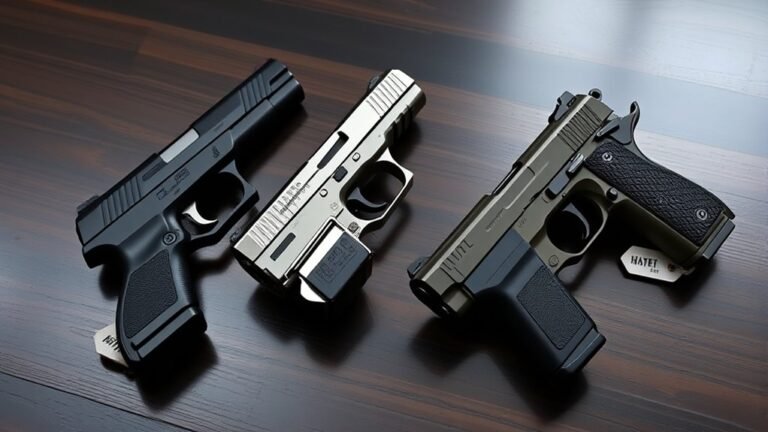
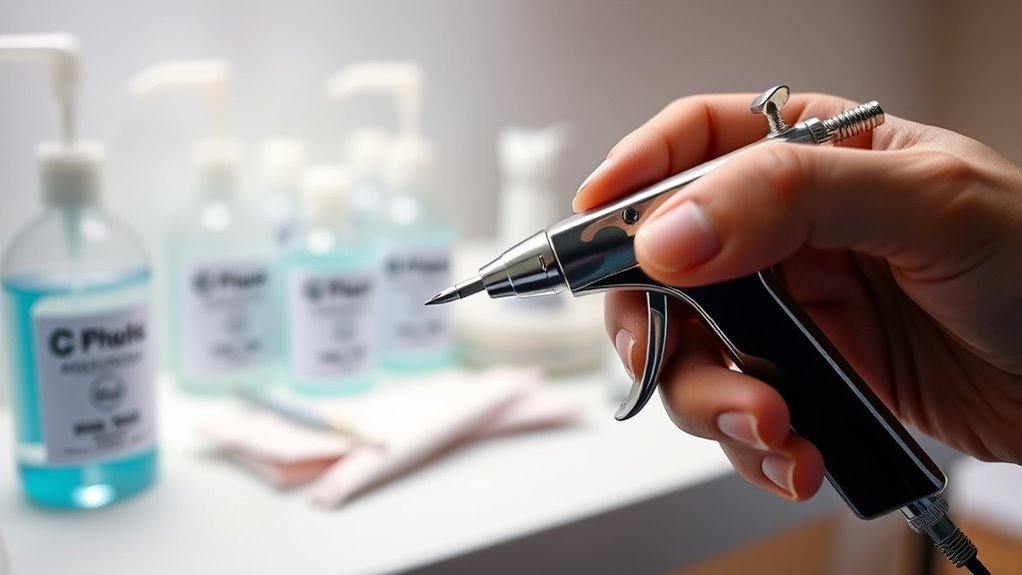
Piercing guns aren’t the safest choice for body piercings because they can’t be fully sterilized, which raises infection risks. The force they use causes tissue damage, especially with cartilage piercings, leading to longer healing times and more scarring.
Additionally, the jewelry often isn’t implant-grade, increasing the chance of complications.
To minimize risks, choose a licensed professional studio that uses sterile, single-use needles and safe jewelry materials like titanium.
Want to know more about avoiding complications and ensuring a safe piercing experience?
Key Takeaways
- Piercing guns cannot be fully sterilized, increasing infection and cross-contamination risks.
- The blunt force of guns causes more tissue trauma and prolongs healing compared to needles.
- Jewelry used in guns often lacks implant-grade quality, raising infection and allergic reaction risks.
- Avoid cartilage piercings with guns due to higher tissue damage and complication likelihood.
- Minimize risks by choosing licensed studios using sterile single-use needles and implant-grade jewelry.
Why Piercing Guns Are Risky: Sterility, Tissue Damage, and Jewelry Concerns
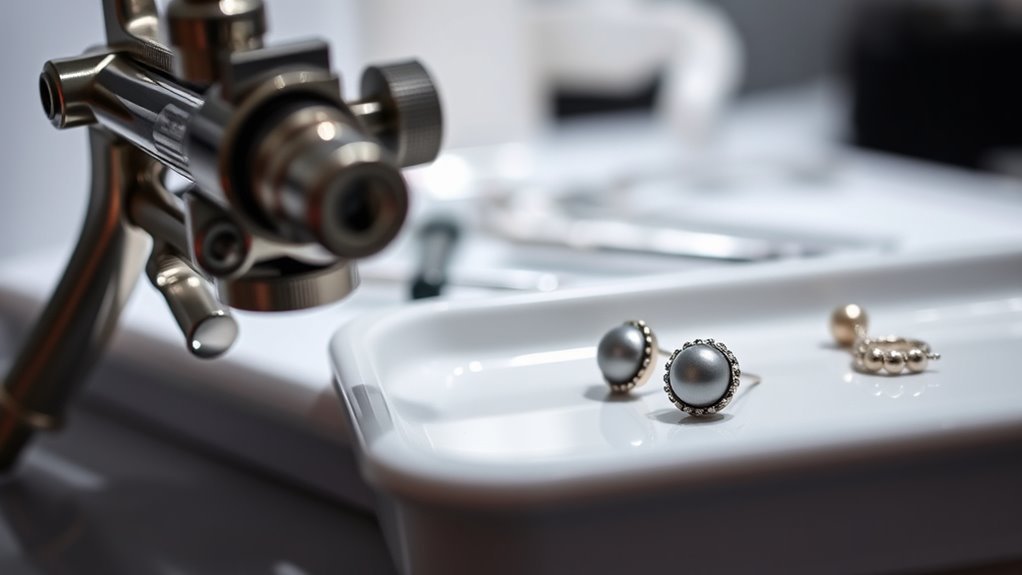
Although piercing guns might seem convenient, they pose significant risks due to sterility issues, tissue damage, and problematic jewelry. Piercing guns can’t be properly sterilized since their plastic parts can’t withstand autoclaving, leading to cross-contamination and increased infection risk. Reusable guns often come into contact with bloodborne pathogens, putting you at risk of diseases like hepatitis.
The force piercing guns use causes blunt tissue trauma and crush injuries, which prolong healing and raise scarring chances. Jewelry safety is another concern: studs made for guns often don’t meet FDA or ASTM standards for material safety. Their butterfly backs trap bacteria and fluids, worsening infection risk.
Knowing these risks helps you understand why piercing guns aren’t the safest option for body piercings.
How to Minimize Piercing Gun Risks and Get a Safe Piercing
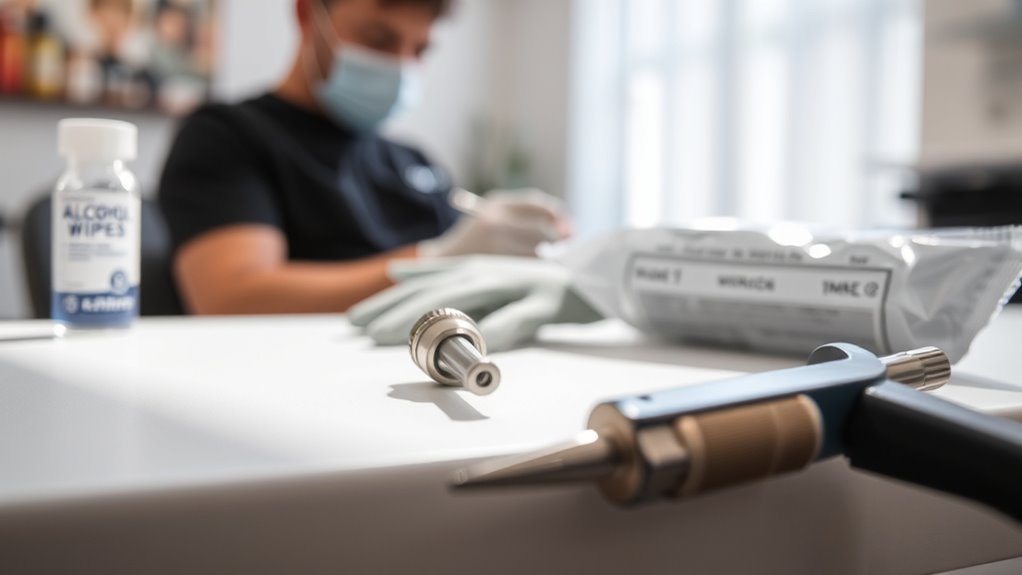
Since piercing guns carry notable risks, you can minimize harm by choosing a licensed professional studio that uses sterile, single-use needles instead of guns. A professional piercer follows strict hygiene protocols, including thorough handwashing and proper sterilization of all equipment, reducing infection risk markedly.
Avoid cartilage piercing with guns, as they cause excessive tissue trauma and increase tissue damage chances. Always verify that the jewelry is implant-grade, like titanium or surgical stainless steel, ensuring safe piercing and long-term wear.
Before your appointment, ask about the studio’s sterilization and safety procedures to confirm they prioritize your health. By selecting a reputable studio and insisting on sterile needles and implant-grade jewelry, you protect yourself from complications and promote a safe piercing experience.
Frequently Asked Questions
What Is the 2 3 Rule for Piercings?
The 2 3 rule means you choose jewelry 2 mm longer than the piercing initially to allow swelling, then 3 mm longer for long-term wear.
This helps you avoid constriction, promote healing, and reduce infection risks effectively.
Which Is Safer for Piercing Gun or Needle?
When you choose a needle over a piercing gun, you’re picking precision and safety, like a surgeon’s steady hand versus a hammer.
Needles minimize infection and trauma, so you’ll heal cleaner and faster every time.
Are Piercing Guns Less Sanitary?
Yes, piercing guns are less sanitary because they can’t be fully sterilized.
You should avoid them or guarantee single-use, sterile components to reduce infection risks and cross-contamination when getting pierced.
What Are the Disadvantages of Piercing Guns?
You wouldn’t use a rotary phone in 2024, so don’t settle for piercing guns—they cause tissue trauma, risk infections, and use low-quality jewelry.
You’ll face longer healing and possible allergic reactions if you do.
Conclusion
Choosing a piercing is like planting a seed—how you care for it determines its bloom. Piercing guns, with their risks of infection and tissue damage, can stunt that growth.
To nurture your new adornment safely, opt for professional methods, guarantee sterility, and pick quality jewelry.
By treating your piercing with the care it deserves, you transform a simple act into a lasting symbol of your unique story. Prioritizing safe piercing practices and minimizing risks ensures your piercing heals beautifully and remains a proud expression of yourself.