What Is a Striker Fire Pistol?
A striker-fired pistol uses an internal striker rod instead of an external hammer to ignite the cartridge. This type of firearm is popular for its simplicity and reliability.
When you pull the trigger, it releases a spring-loaded striker that hits the primer to fire.
This design simplifies the mechanism, makes the pistol lighter and easier to maintain, and provides a consistent trigger pull.
While it usually lacks external safeties, it’s great for reliable, compact use.
Keep exploring to discover how it stacks up against hammer-fired models.
Key Takeaways
- A striker-fired pistol uses an internal spring-loaded striker instead of an external hammer to ignite the cartridge primer. Pulling the trigger releases the striker, which slams forward to fire the round, often with a consistent trigger pull.
- It features fewer moving parts than hammer-fired pistols, simplifying maintenance and improving reliability.
- Striker-fired pistols are typically more compact, lighter, and better suited for concealed carry. These pistols usually lack external safeties and decocking mechanisms found on hammer-fired models.
How Do Striker-Fired Pistols Work?
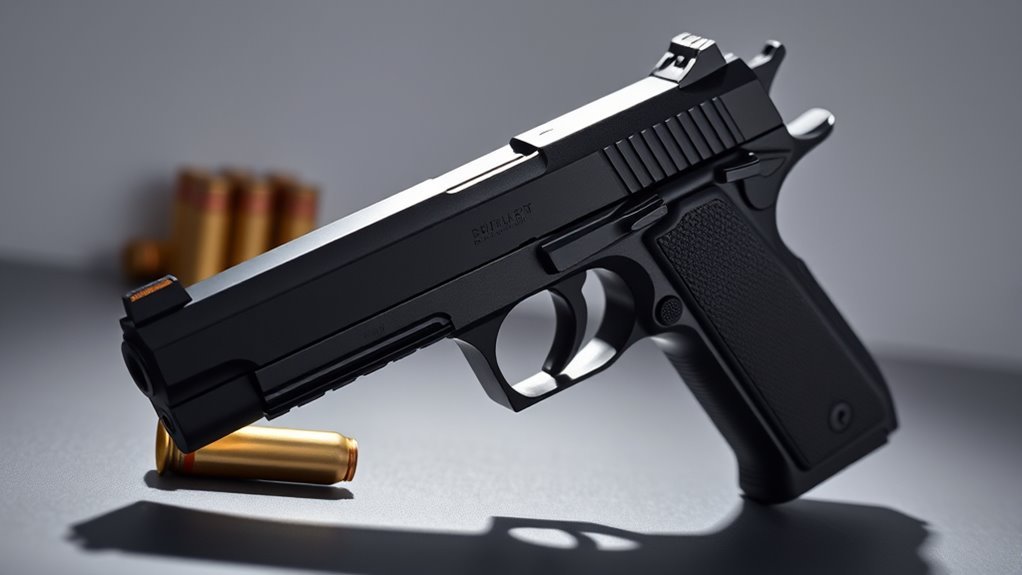
Although striker-fired pistols lack an external hammer, they use an internal metal rod called the striker, which is partially cocked and held by a spring when ready to fire. In striker-fired pistols, this spring-loaded striker acts as the firing mechanism, replacing the traditional hammer.
When you pull the trigger, it releases the striker from its cocked position, letting it slam forward like a firing pin to strike the primer of the cartridge. This impact ignites the primer, firing the round. The trigger pull not only releases the striker but, in some models, also pre-cocks the internal metal rod to guarantee a consistent trigger pull.
This efficient design simplifies the firing mechanism, making the striker’s release smooth and reliable every time you shoot.
Pros and Cons of Striker-Fired Pistols Compared to Hammer-Fired Models
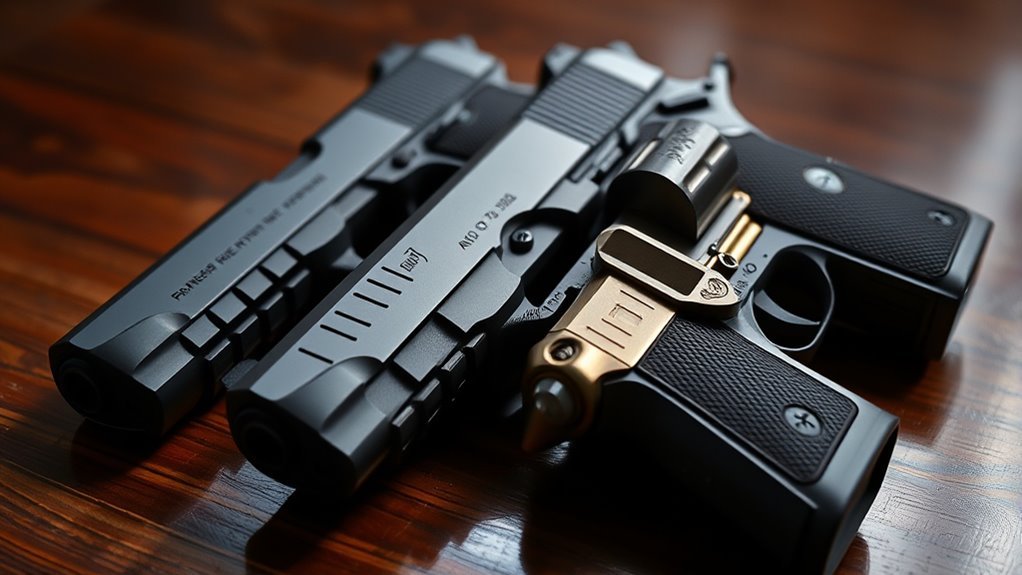
When choosing between striker-fired and hammer-fired pistols, you’ll find that striker-fired models offer a simpler design with fewer moving parts, making them easier to maintain and disassemble. They provide a consistent trigger pull, which can boost your accuracy and confidence.
Striker-fired pistols feature a simpler design and consistent trigger pull for easier maintenance and improved accuracy.
Hammer-fired models, however, often feature external safety and decocking options, giving you more safety choices and a traditional feel.
Here are key pros and cons to consider:
- Striker-fired pistols are more compact and lighter, ideal for concealed carry, but may lack some safety options.
- Hammer-fired models have varied trigger pulls and usually include external safeties and decocking.
- Striker-fired pistols generally have softer recoil and simpler maintenance compared to hammer-fired models.
Frequently Asked Questions
What Are the Disadvantages of Striker-Fired Pistols?
You face risks with striker-fired pistols due to no external safeties or loaded indicators. Their consistent, sometimes light trigger pull can cause accidental shots, especially if you’re inexperienced or unaware of the gun’s status.
This lack of physical safety mechanisms means extra caution is necessary when handling these firearms. Users must be diligent about trigger discipline and constantly aware of the pistol’s condition to prevent mishaps.
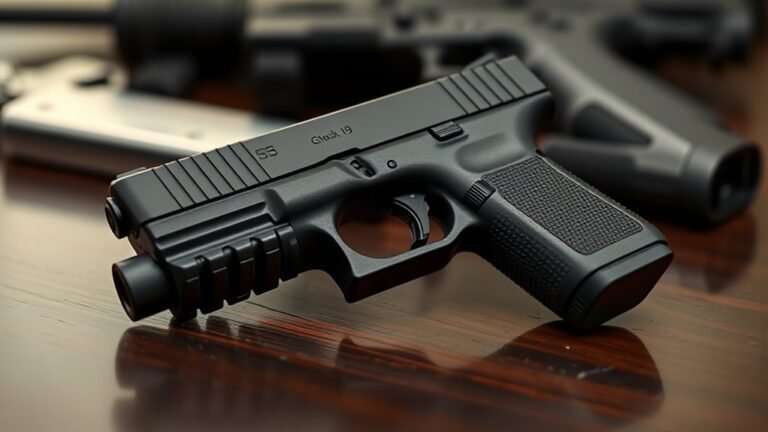
Is a Glock a Striker Fire Gun?
You could say a Glock dances with a striker, yes—it’s definitely a striker-fired gun.
You’ll appreciate its smooth, consistent trigger pull and sleek design, making your shooting experience reliable, quick, and pleasantly straightforward.
Which Is Better, a Striker Fired or a Hammer Fired Pistol?
Choosing between striker-fired and hammer-fired pistols depends on your preference. You’ll want striker-fired for consistent triggers and easy carry, but hammer-fired offers manual safeties if you prioritize control and traditional features.
Why Are Striker Fired Pistols Cheap?
Striker-fired pistols are cheap because they have fewer parts, use polymer frames, and benefit from mass production.
You’ll find their simplified design cuts manufacturing costs, making them more affordable without sacrificing reliability or performance.
Conclusion
If you’re considering a new pistol, knowing that over 60% of law enforcement agencies prefer striker-fired models might catch your interest. You’ll appreciate their consistent trigger pull and simpler design, which often means fewer malfunctions.
While they aren’t perfect, striker-fired pistols offer reliability and ease of use that many find hard to beat. So, whether for self-defense or sport, they’re definitely worth your consideration as a striker fire pistol.